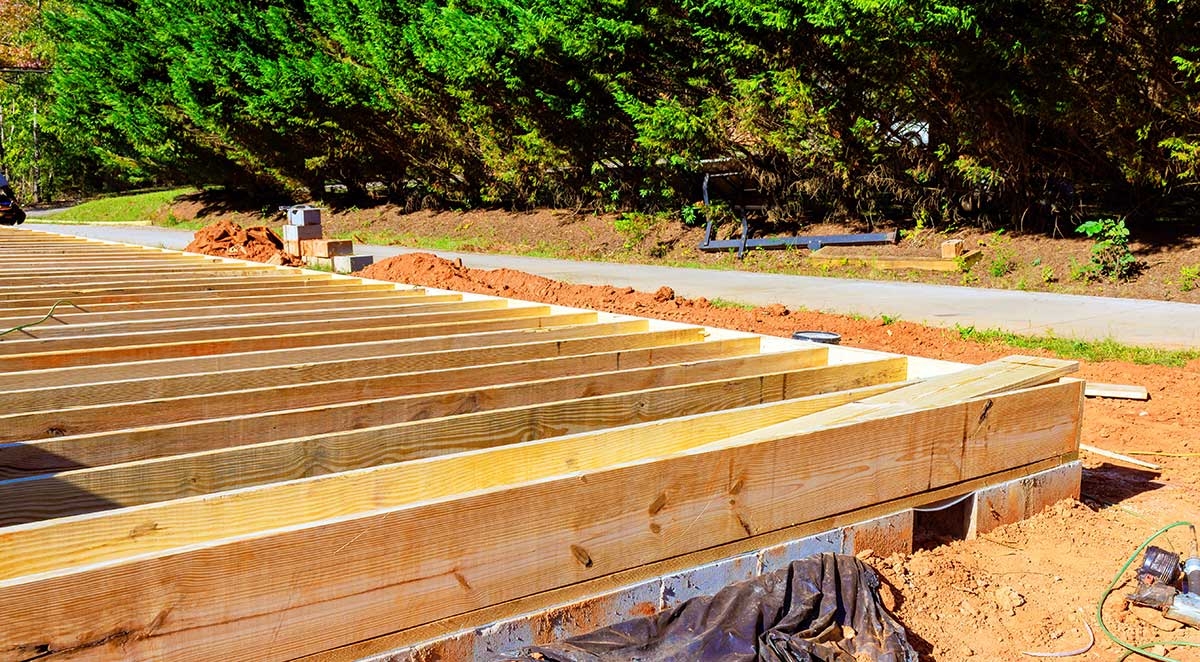
Road construction is more than simply grading and laying down fresh pavement and paint. Like most infrastructure work, road construction is an extremely involved project that brings together laborers from all trades. Think electricians and linemen working on overhead power poles, sewer workers and plumbers ensuring that water and sewer lines are not damaged during the process, etc.
Because of the variety of work that goes into road construction, wood products can also play a vital role in supporting the project. This is especially true when contractors need reliable, consistently sized lumber for temporary structures, site infrastructure, barriers, drainage work, and other construction applications.
Planer mills help prepare rough-sawn lumber for these uses by producing boards with more consistent dimensions and smoother surfaces. For road contractors, that consistency can make lumber easier to handle, transport, install, and incorporate into a variety of project applications.

Electrical contractors are vital to just about every industry that involves construction. Building a home? You need an electrician. Doing commercial construction? You need an electrician. Working on town infrastructure? You still need an electrician.
Electricians and plumbers are among the most utilized trades in most construction. Electricians ensure that power is adequately run and accessible to future users. One item on an electrician's punch list that may be lesser known to outsiders is the need for properly planed lumber.
In this article, we will dig deep into many of the ways planer mills like Church and Church Planer Mill serve electrical companies across the world.
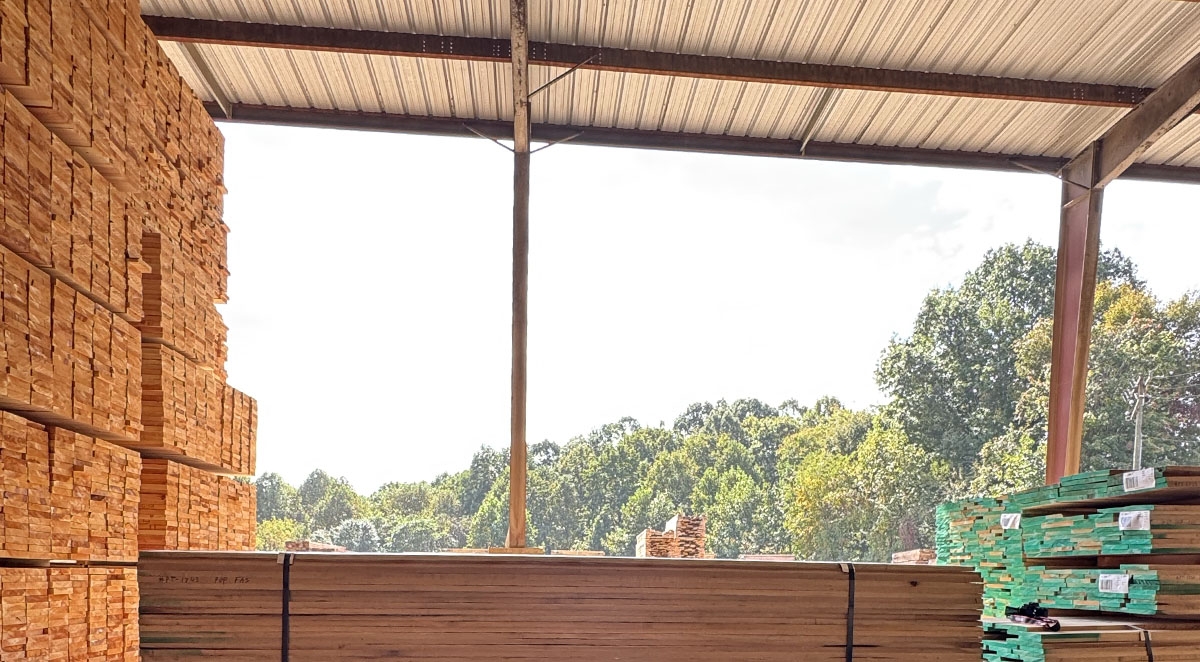
Manufacturers, cabinetmakers, and carpenters alike all know the importance of smooth, dimensionally accurate lumber. Without quality lumber, the final product may suffer, and woodworkers end up spending more time processing the wood to get the fit and finish that they need to complete a project. This extra processing wastes valuable time and can introduce quite a bit of waste.
This is where the planer mill comes in. Planer mills are a vital part of the lumber mill. They ensure that wood delivered to customers is straight, dimensionally accurate, and requires little finish work. Smooth, dimensionally accurate lumber is much easier to use in projects, takes stains and paint far better, and is easy to store and sort.
While many people associate planing with simply creating a smooth surface, there are plenty of other benefits that come from wood that has been treated at the planer mill. Planer mills improve dimensional consistency across runs, which makes production efficient. It also improves storage, shipping, and logistics.
In this article, we will discuss several things that you may or may not have known about planer mills.
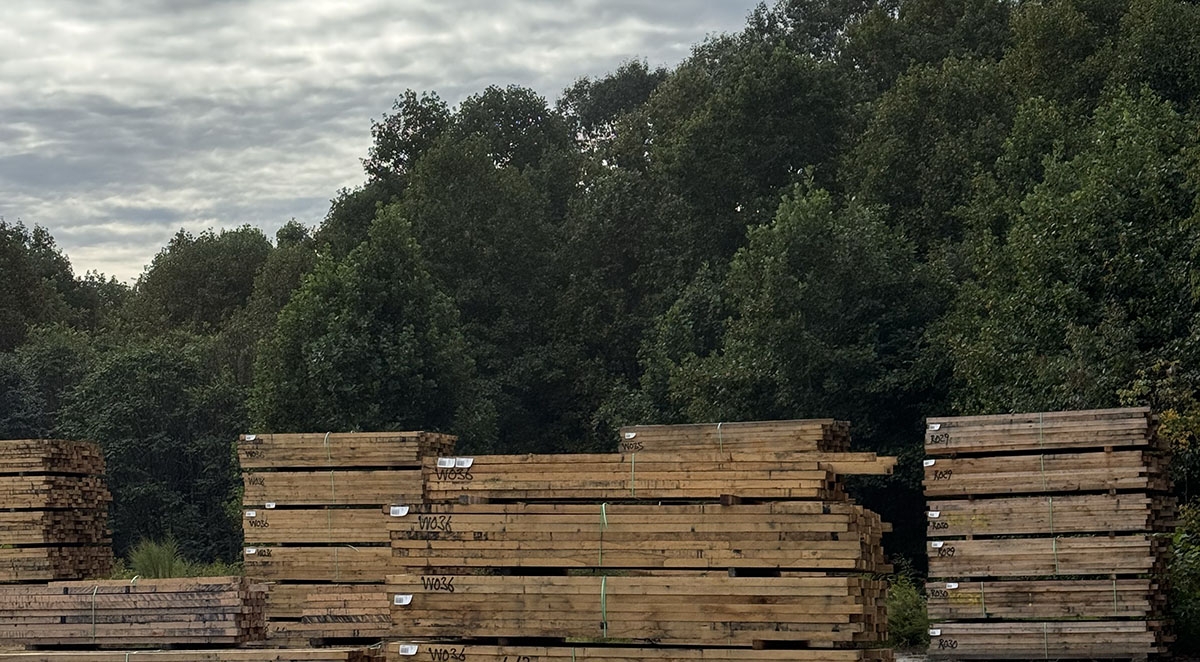
From cabinet makers to home builders and everything in between, ready-to-use lumber is extremely important. While sawmills cut lumber down to rough dimensions, the planer mill is where things really come together for manufacturers and contractors.
Planer mills improve the lumber's appearance and usability while also achieving precise dimensions. This improves the fit and finish of any project that uses lumber. In addition to preparing lumber for downstream processing, it can also create important operational benefits beyond the manufacturing process. In fact, properly finished lumber can simplify logistics, improve shipping efficiency, and make storage of lumber more organized for suppliers, manufacturers, and customers.
In this article, we will delve into the many benefits of lumber that has been processed by a planer mill and how it goes beyond the simple fit and finish.