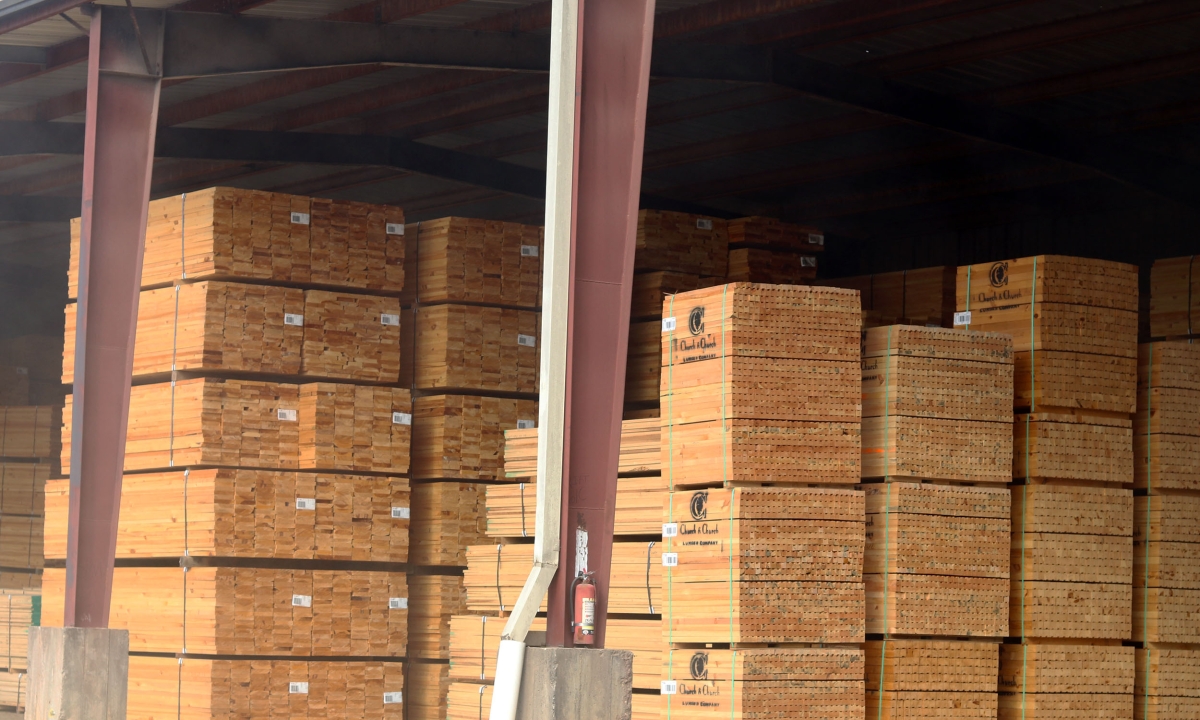
Most, if not all, builders and manufacturers are looking to shore up their efficiency and product quality. This is especially true in the high-demand and competitive marketplace of today. With so many things that can go wrong on a job site or during a project, your raw materials should be the least of your worries.
One way to ensure that lumber is ready to be assembled is to work directly with a custom planer mill. Custom planing improves lumber consistency, efficiency, and end product quality. Planer mills use advanced cutters to bring lumber to exact dimensions and finish surfaces so that they are smooth and match up.
Some of the big industries that can benefit from working with a planer mill include:
- Furniture manufacturers
- Cabinet shops
- Millwork companies
- Flooring manufacturers
- Construction companies
Here are the top 6 reasons why these industries and more work with planer mills to provide their finished lumber.
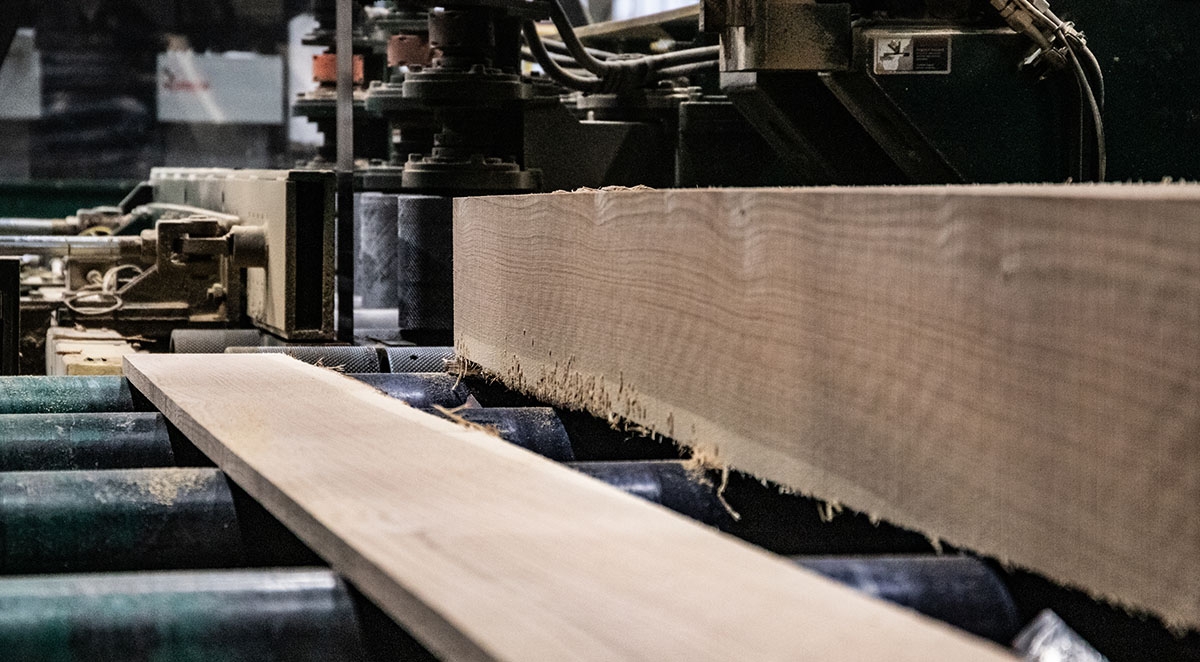
Many builders and manufacturers are looking for ways to increase their productivity and efficiency in their processes. There are tons of ways to do so, from creating clear systems and processes for workers to assigning off-site tasks such as bookkeeping and sales to employees who fill administrative roles. The truth is, efficiency can make or break a business, and finding ways to be more efficient at every step is a lifelong task for many business owners.
One often overlooked way to improve efficiency across multiple steps of a project is working with a custom milling company. Custom mills can save tons of time, with the flip of a switch, literally. A quality custom mill can ensure that your lumber is precisely cut and that it meets all required specifications. In some cases, custom mills use advanced planers that can surface lumber so that it is ready to install.
In this article, we will discuss some ways in which custom milling can improve your efficiency.
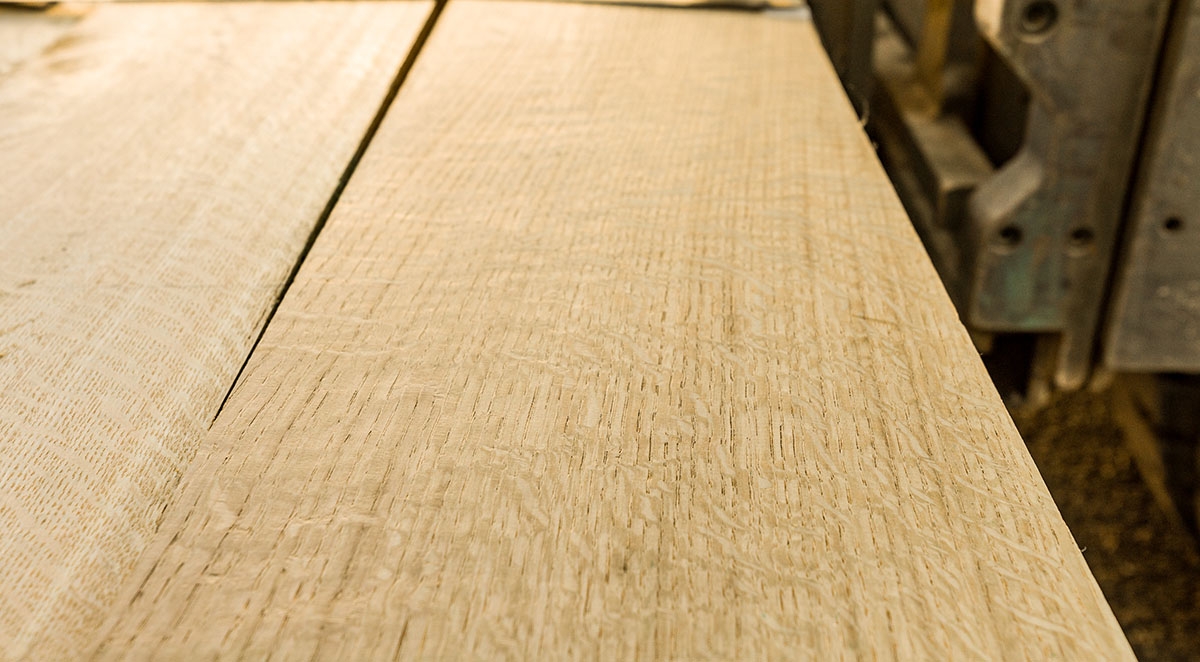
White oak has grown in popularity over the last several years, particularly in flooring and cabinetry. Rift and quartered white oak is especially popular as it provides a unique aesthetic surface that takes finishes very well.
At Church and Church Lumber Company, we rift and quarter white oak to be used for a variety of applications and products downstream. Our process begins with high-quality Appalachian white oak logs, chosen for their size, straightness, and ring structure. Once the logs arrive from the field, they are cut to showcase the dramatic fleck and vertical lines of either rift or quartered sawing. Lumber is then dried specifically for white oak in our temperature-controlled drying kilns so that wood products will last.
This process is done over and over again for hundreds of thousands of boards each year to ensure that manufacturers and contractors get raw materials that offer stability and eye-catching grain patterns.
In this guide, we will go over the benefits of rift and quartered white oak boards for use in flooring and cabinetry, as well as how we produce them.
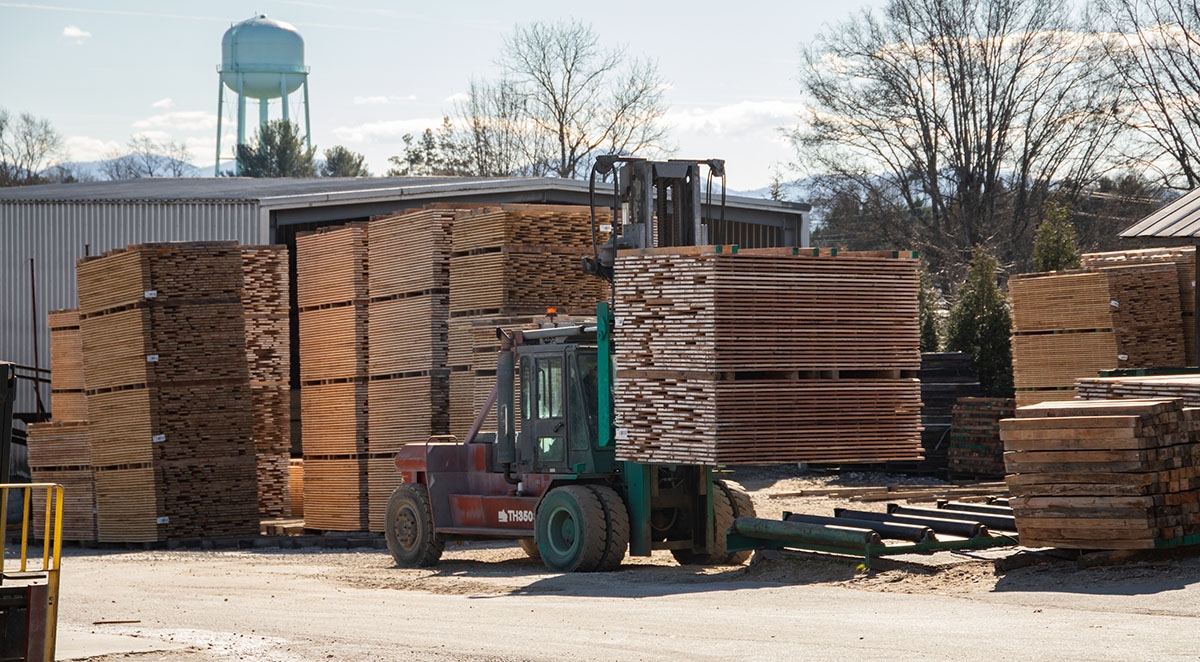
As the wood products industry continues to grow around the world, mills must keep up with technology to ensure that they are meeting current trends in production, while also putting out quality products. There is no greater need for choosing the right technology than at the planer mill.
Planer mills are where boards are taken from rough boards to a final finished product. This is an especially important process for exterior boards in millwork, flooring, and furniture. Planer mills can make or break the quality and aesthetic. Every step in the process at the planer mill must be followed so that the finished lumber quality is what manufacturers and builders need.
In this article, we will discuss the importance of technology at the planer mill and how it affects the quality of a product.