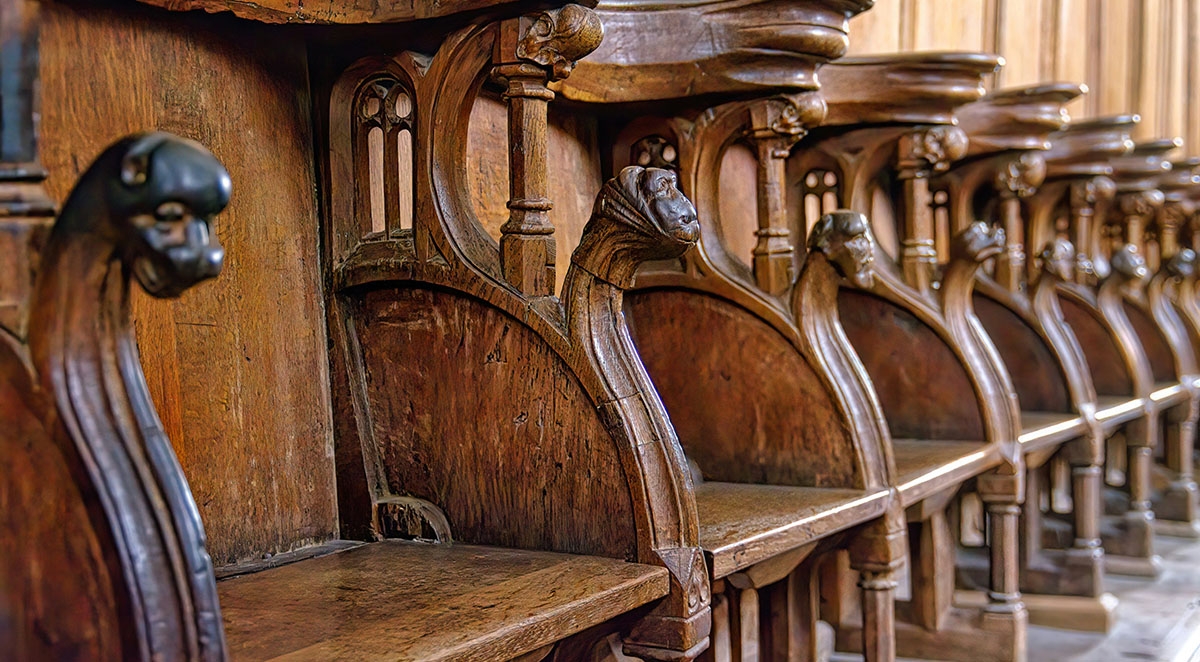
The Importance Of Planed Hardwood Lumber for Furniture Makers
Furniture makers face unique challenges compared to general construction. Each component requires precise sizing, reliable moisture content, and clean surfaces that respond well to joinery and finishing. Planed lumber provides a foundation that allows furniture builders to work with confidence.
Planed Lumber Improves Consistency for Precision Joinery
Accurate joinery depends on smooth, uniform boards. When furniture makers receive rough-cut lumber with varying thicknesses, they must spend valuable shop time flattening, jointing, and planing each board individually. Our Planer Mill creates a consistent, reliable thickness, which allows:
- Faster assembly times
- Improved accuracy for mortise and tenon joints
- Better squareness for table legs, frames, and cabinet components
- Reduced snipe, cupping, or thickness variation
This foundation strengthens structural integrity and limits the risk of misalignment during final assembly.
Planed Lumber Has Better Performance In Milling And Sanding
Planed lumber enters machinery more cleanly. Whether the maker uses a CNC router, shaper, bandsaw, or edge sander, already-planed surfaces reduce strain on equipment. This helps furniture shops maintain sharp tooling, extend machine life, and minimize rework.
Planed Lumber is a Cleaner Canvas for Finish Quality
Finish quality determines how a final piece is judged. Planed surfaces respond well to stains, oils, and clear finishes. for hardwoods like rift and quartered white oak, planing highlights the medullary rays and linear grain structure that furniture builders prize. The smoother surface allows:
- Stain absorption that is predictable and even
- Reduced blotching on certain hardwoods
- Less sanding prior to spray finishing or hand-rubbed techniques
Because planing removes inconsistencies early in the process, makers can focus on design instead of surface correction.
How Our Planer Mill Improves Efficiency for Furniture Manufacturers
Large-scale furniture operations depend heavily on workflow efficiency. The ability to produce thousands of identical components requires precision in lumber preparation. Our Planer Mill plays a critical role by providing the uniformity and quality control that high-volume operations demand.
Reliable Thickness and Width for Production Requirements
Furniture manufacturers typically operate on tight tolerances. Receiving lumber that is already planed to a uniform thickness reduces the number of steps required before components move on to shaping, routing, gluing, or assembly. Improvements include:
- Reduced machine setup changes
- Less offcut waste
- Time savings per board
- Easier batching of identical parts
When production teams know that every load will match their specifications, scheduling becomes far more predictable.
Better Material Yield for High-Volume Output
Rough lumber often requires heavy planing to remove inconsistencies, knots, and rough edges. Planed lumber eliminates a large portion of that waste immediately. By starting with boards that are straight, smooth, and within exact measurements, manufacturers experience:
- Higher yield per board
- More usable surface area
- Lower scrap volume
- More consistent strip and panel glue-ups
Whether a factory is producing dining tables, dressers, cabinet doors, or custom hospitality furniture, better yield directly supports profitability.
Lumber That is Ready for Immediate Production
Our Planer Mill works closely with the Church and the Church Lumber kiln operation, ensuring lumber is properly dried before planing. Kiln dried hardwood performs better during machining and reduces the risk of warping after planer surfacing.
Furniture manufacturers depend on wood that won’t shift or move once cut to size. Controlled drying and precision planing give manufacturers the stability needed to maintain predictable assembly and finishing.
Why Appalachian Hardwoods is Great for Furniture Makers
The Appalachian region is known globally for producing high-quality hardwoods. These species provide strength, beauty, and consistency, which is why furniture makers continue to choose them for both traditional and modern designs.
Rift And Quartered White Oak for Modern and Traditional Furniture
Rift and quartered white oak is one of our most requested materials. The linear grain pattern makes it ideal for furniture pieces that require elegance, stability, and strong design presence. Furniture makers value rift and quartered white oak because it provides:
- Dimensional stability for larger surfaces
- Striking ray fleck patterns that elevate design
- Superior performance for stains, fuming, and finishes
- Excellent screw-holding and joinery strength
From contemporary sideboards to mission-style chairs, this lumber type shapes furniture that lasts for generations.
Clear White Pine And Yellow Pine for Versatile Furniture Use
In addition to hardwoods, we produce planed white pine and yellow pine. Furniture makers choose pine for cabinetry, farmhouse-style pieces, bedroom sets, and painted furniture. It machines cleanly, absorbs finish well, and offers an attractive price point for both custom work and production runs.
Broad Selection Of Appalachian Hardwoods
Our Planer Mill supports furniture makers working with a range of species, including:
- Hard maple
- Soft maple
- Red oak
- White oak
- Cherry
- Poplar
- Ash
Because Church and Church Lumber sources logs locally from Appalachian forests, furniture makers receive lumber known for its strength and natural beauty.
How Our Planer Mill Supports Custom Furniture Makers
Small shops and independent furniture builders rely on materials that help them manage time, tools, and design consistency. Planed lumber plays a crucial role in supporting craftsmanship.
Custom makers often handle every step of production, from milling to finishing. Starting with planed lumber reduces time spent at the jointer and planer. This allows builders to devote more time to:
- Complex joinery
- Hand finishing
- Design details
- Client communication
- Custom modifications
This time savings helps shops handle more projects and maintain quality during busy seasons.
Custom furniture makers work with challenging shapes such as live-edge slabs, tapering legs, or sculpted chair frames. Stability is not optional. Planed lumber reveals grain direction and imperfections early, helping makers decide how each board will be used.
Better Results In Glue-Ups And Laminated Panels
Tabletops, shelves, side panels, and drawer faces require strong glue-ups. Planed surfaces allow furniture makers to create:
- Tighter seams
- Stronger joints
- Flatter panels
- More attractive visual grain flow
Because each board is planed to the same thickness, the glue-up process becomes more efficient and more predictable.
Choose Our Planer Mill for Furniture Makers
Furniture makers need lumber they can trust. Whether you run a large manufacturing facility or a small custom workshop, our Planer Mill provides the quality, consistency, and species selection required for exceptional furniture. With precise planing, Appalachian hardwood strength, and reliable supply, we help builders create furniture that performs well, looks beautiful, and stands the test of time.
If you are looking for a dependable source of planed Appalachian lumber, including rift and quartered white oak, choose Church and Church Lumber Company. Our Planer Mill is ready to support your next furniture project from start to finish.